 |
|||||||||||||||||||||||||||||||||||||




 |
|||||||||||||||||||||||||||||||||||||
|
The following is a biographical roster of the officers and enlisted men of the Eleventh (11th) South Carolina Volunteer Infantry Battalion. If you have any corrections, suggestions, or additional information, photographs, etc., that you would like to contribute, submit them to the Webmaster.
The Battalion Field & Staff of the Eutaw Battalion - Simonton's Battalion of South Carolina Volunteers - was initially organized around February 24th, 1862, under acting Major Charles Henry Simonton of Charleston. The line officers (Lieutenant's) of the companies were detailed to temporarily fill the roles of Adjutant, Assistant Quartermaster, etc., until the battalion was increased by the addition of several companies. With the addition of those companies the battalion was reorganized on April 30th, 1862, as the Eleventh (11th) South Carolina Volunteer Infantry Battalion, and Simonton was elected as Lieutenant Colonel to command the battalion, with Captain John G. Pressley of the Wee Nee Volunteers being chosen as Major. The staff remained largely unchanged until July 22nd, 1862, when the battalion was again increased, this time to a full regiment, and designated as the Twenty-Fifth (25th) South Carolina Volunteer Infantry Regiment. With the formation of the regiment, the battalion ceased to exist an organization, and the officers assumed their roles in the new regiment.
Company A of the Washington Light Infantry was organized at Charleston, Charleston District, South Carolina, in June 1861 by Charles Henry Simonton from the excess men of the original State Militia company, which was so large it was able to provide three companies for active service. The men elected as Simonton as Captain on June 17th, 1861, and on February 24th, 1862, the company was mustered into Confederate service at Charleston, South Carolina, for twelve months' service. Assigned to the Eleventh (11th) South Carolina Volunteer Infantry Battalion, Simonton was placed in command of the battalion with the rank of acting Major, and on April 30th, 1862, the battalion was increased by the addition of several companies and reorganized, the company being designated as Company A. Captain Simonton was elected as Lieutenant Colonel of the battalion, and to fill his place the men elected Lieutenant James M. Carson as Captain. On July 22nd, 1862, the battalion was increased to a full regiment and reorganized as the Twenty-Fifth (25th) South Carolina Volunteer Infantry Regiment - the company retaining its designation as Company A. Captain Marsh would lead the company until his wounding and capture on January 15th, 1865, at Fort Fisher, North Carolina, being held as a prisoner of war for the remainder of the war. On March 10th, 1865, the few remaining members of the company were consolidated with the other remnants of Hagood's Brigade into a temporary consolidated regiment under Lieutenant Colonel James H. Rion, and with them surrendered on April 26th, 1865, at Durham Station, North Carolina, being paroled and disbanded on May 1st, 1865, at Greensboro, North Carolina.
Company B of the Washington Light Infantry was organized at Charleston, Charleston District, South Carolina, in June 1861 by Edward W. Lloyd from the excess men of the original State Militia company, which was so large it was able to provide three companies for active service. The men elected as Lloyd as Captain on June 17th, 1861, and on February 24th, 1862, the company was mustered into Confederate service at Charleston, South Carolina, for twelve months' service. Assigned to the Eleventh (11th) South Carolina Volunteer Infantry Battalion, on April 30th, 1862, the battalion was increased by the addition of several companies and reorganized, at this time the company was designated as Company B of the Battalion, the men re-electing Captain Lloyd to command them. On July 22nd, 1862, the battalion was increased to a full regiment and reorganized as the Twenty-Fifth (25th) South Carolina Volunteer Infantry Regiment - the company being designated as Company B. Captain Lloyd would remain in command until August 1864, when he was retired to the Invalids Corps due to poor health, and assigned to duty in the Quartermasters Department. Lieutenant Joseph S. Hannahan was then promoted to Captain, and remained in command of the company until February 20th, 1865, when he was captured in the fighting at Town Creek, North Carolina, and was held as a prisoner of war for the remainder of the war. Following the fall of Fort Fisher, the few remaining members of the company were consolidated with the other remnants of Hagood's Brigade on March 10th, 1865, into a temporary consolidated regiment under Lieutenant Colonel James H. Rion, and with them they surrendered on April 26th, 1865, at Durham Station, North Carolina, being paroled and disbanded on May 1st, 1865, at Greensboro, North Carolina.
The Wee Nee Volunteers was a pre-war company of the South Carolina State Militia, organized in Kingstree, Williamsburg District, South Carolina. By November 1860 the company was part of the 31st Regiment of Militia, under the command of Captain John G. Pressley of Kingstree. The company originally volunteered for active service, and on January 1st, 1861, was assigned as Company F of the First (1st) South Carolina Volunteer Infantry Regiment, however, when that regiment was ordered to Virginia the company refused to serve outside of South Carolina, and as such was officially disbanded on April 26th, 1861. The men returned home, and were immediately reorganized and volunteered once again, being assigned as Company D of the Tenth (10th) South Carolina Volunteer Infantry Regiment by May 1861. However, the company refused to be mustered into Confederate service, desiring to remain in the State service, and in mid-August 1861, they were once again disbanded and returned home. The company once again reorganized, with several older members and new recruits, and volunteered for active service, and in early September 1861 they reported at Fort Johnson on James Island, South Carolina, and were mustered into Confederate service as Company E of the First (1st) South Carolina Volunteer Infantry Regiment, under the command of Colonel Johnson Hagood, to serve for the seven months service. With the passage of the conscription act in early 1862, the company re-enlisted for the duration of the war on April 12th, 1862, however, they once again, did not wish to serve in Virginia, but instead to remain on duty in South Carolina, and as such they were again disbanded and immediately reorganized on April 12th, 1862, under Captain Pressley. On April 30th, 1862, the company was assigned as Company C of the Eleventh (11th) South Carolina Volunteer Infantry Battalion and joined the battalion at its camp on James Island, South Carolina; at this time Captain Pressley was elected as Major of the Battalion, and his place as Captain was assumed by Lieutenant Thomas J. China. On July 22nd, 1862, the battalion was increased to a full regiment and reorganized as the Twenty-Fifth (25th) South Carolina Volunteer Infantry Regiment - the company being designated as Company C. Captain China would remain in command of the company until May 18th, 1864, when he died of wounds suffered in the fighting at Drewry's Bluff, Virginia. Lieutenant Calhoun Logan was then promoted to Captain, and remained in command of the company until January 15th, 1865, when he was captured in the fighting at Fort Fisher, North Carolina, and remained as a prisoner of war until March 1865, when he was exchanged, however, he never rejoined the company. Following the fall of Fort Fisher, the few remaining members of the company were consolidated with the other remnants of Hagood's Brigade on March 10th, 1865, into a temporary consolidated regiment under Lieutenant Colonel James H. Rion, and with them they surrendered on April 26th, 1865, at Durham Station, North Carolina, being paroled and disbanded on May 1st, 1865, at Greensboro, North Carolina.
The St. Matthews Rifles were a pre-war company of the South Carolina State Militia organized on July 23rd, 1860, at St. Matthews in Orangeburg District, South Carolina, and originally known as the Keitt Guards. By the start of the War the company, now known as the St. Matthews Rifles, volunteered for active service, and under Captain James D.W. Collier were assigned as Company D of the First (1st) South Carolina Volunteer Infantry Regiment, under Colonel Johnson Hagood, and were mustered into State service on April 12th, 1861, for twelve months service. Captain Collier died of disease while in camp on November 9th, 1861, and Lieutenant John W. Sellers was promoted to Captain in his place, leading the company over the next several months. With the end of its twelve months service, the company re-enlisted on April 12th, 1862, for the duration of the war, however the men did not wish to serve in Virginia but to remain on duty in South Carolina, and as such was they were disbanded and immediately reorganized on April 12th, 1862, under Martin Henry Sellers, Captain J.W. Sellers having decided not to re-enlist. On April 30th, 1862, the company was assigned as Company D of the Eleventh (11th) South Carolina Volunteer Infantry Battalion and joined the battalion at its camp on James Island, South Carolina. Serving with the battalion, when it was increased to a full regiment on July 22nd, 1862, and designated as the Twenty-Fifth (25th) South Carolina Volunteer Infantry Regiment, the company became Company G Ff the new regiment. Captain M.H. Sellers remained in command of the company until his death on August 21st, 1864, from wounds suffered in the fighting at Weldon Railroad, Virginia, when Lieutenant Leonidas A. Harper was promoted to Captain. Harper was also severely wounded (in the thigh) during the fighting at Weldon Railroad, and although promoted to Captain, he was so incapacitated from his wounds that he was never able to rejoin the company; the men being led by the senior Lieutenant on duty with them for the remainder of their service. On March 10th, 1865, the remaining members of the company were consolidated with the remnants of the other units of Hagood's Brigade into a temporary consolidated regiment under Lieutenant Colonel James H. Rion, and with them they surrendered on April 26th, 1865, at Durham Station, North Carolina, being paroled and disbanded on May 1st, 1865, at Greensboro, North Carolina.
The Beauregard Light Infantry was organized for State service in late July 1861, by Peter B. Lalane, with volunteers from throughout Charleston District, South Carolina. However, with the passage of the conscription act in 1862, the company was reorganized for Confederate service, and on February 21st, 1862, the company was mustered into Confederate States service at Charleston, South Carolina, as part of the Eleventh (11th) South Carolina Volunteer Infantry Battalion. At the time their muster the men had elected Robert D. White as their Captain, replacing Captain Lalane, and he would lead them until September 1862. On April 30th, 1862, the battalion was reorganized because of the addition of several additional companies, in the reorganization the company was designated as Company E. Increased again on July 22nd, 1862, this time into a full regiment, another reorganization took place at the camp on the Wappoo Cut near Charleston, and the company became Company E of the Twenty-Fifth (25th) South Carolina Volunteer Infantry Regiment. In September 1862 Captain White resigned and returned home, with Lieutenant N.B. Mazyck being promoted to Captain, and would led the men until February 1865 when he was captured in the fighting at Town Creek, North Carolina, spending the remainder of the war as a prisoner of war. On March 10th, 1865, the remaining members of the company were consolidated with the remnants of the other units of Hagood's Brigade into a temporary consolidated regiment under Lieutenant Colonel James H. Rion, and with them they surrendered on April 26th, 1865, at Durham Station, North Carolina, being paroled and disbanded on May 1st, 1865, at Greensboro, North Carolina.
The Edisto Rifles were a pre-war company of the South Carolina State Militia, originally organized in 1851 with volunteers from Orangeburg District, South Carolina. At the start of the War the company was commanded by Captain Thomas Jamison Glover (1830-1862), who led the men into camp in January 1861 as Company A of the First (1st) South Carolina Volunteer Infantry Regiment, under Colonel Johnson Hagood. Upon the election of regimental officers on January 5th, 1861, Glover was elected as Lieutenant Colonel of the regiment, and his place as Captain was assumed by Lieutenant John Vinyard Glover (1833-1864). Re-enlisting for the duration of the war on April 12th, 1862, the company did not wish to serve in Virginia, but remain on duty in South Carolina, and as such was disbanded and immediately reorganized on April 12th, 1862, under Captain Glover. On April 30th, 1862, the company was assigned as Company F of the Eleventh (11th) South Carolina Volunteer Infantry Battalion and joined the battalion at its camp on James Island, South Carolina. Serving with the battalion, when it was increased to a full regiment on July 22nd, 1862, and designated as the Twenty-Fifth (25th) South Carolina Volunteer Infantry Regiment, the company became Company G of the new regiment. At the same time Captain Glover was elected as Major of the Regiment and Lieutenant James F. Izlar was promoted to Captain in his place. Captain Izlar remained in command of the company until January 15th, 1865, when he was captured in the fighting at Fort Fisher, North Carolina, and remained as a prisoner of war until March 1865, when he was exchanged, however, he never rejoined the company. Following the fall of Fort Fisher, the few remaining members of the company were consolidated with the other remnants of Hagood's Brigade on March 10th, 1865, into a temporary consolidated regiment under Lieutenant Colonel James H. Rion, and with them they surrendered on April 26th, 1865, at Durham Station, North Carolina, being paroled and disbanded on May 1st, 1865, at Greensboro, North Carolina.
The Ripley Guards were organized in November & December 1861 by William W. Gordon with volunteers from Clarendon & Williamsburg District's, with the men electing Gordon as Captain of the company on December 29th, 1861. Initially organized as an Independent Company, the company was stationed as guards at the Railroad Bridge crossing the Santee River from December 1861 to April 1862, when it was assigned to the Eleventh (11th) South Carolina Volunteer Infantry Battalion. Joining the battalion on James Island, it was designated as Company G on April 30th, 1862. Serving in the defenses of coastal South Carolina, on July 22nd, 1862, the battalion was increased to a full regiment - Twenty-Fifth (25th) South Carolina Volunteer Infantry Regiment - and the company was designated as Company K of the new regiment. Captain Gordon remained in command of the company until August 21st, 1864, when he was mortally wounded on August 21st, 1864, in the charge at Weldon Railroad, Virginia. Lieutenant Edward R. Lesesne was promoted to Captain in his place, and remained with the company throughout the remainder of its service. With the temporary consolidation of the remnants of Hagood's Brigade on March 10th, 1865, Captain Lesesne was retained in command of Company L of the consolidated regiment, and with them surrendered the remnants of the company on April 26th, 1865, at Durham Station, North Carolina, being paroled and disbanded on May 1st, 1865, at Greensboro, North Carolina.
The Marion Light Infantry was organized in March & April 1862 by William J. McKerall with volunteers from throughout Marion District, South Carolina. Reporting for duty, the company, under Captain McKerall, was mustered into Confederate service on April 15th, 1862, for the duration of the war, and on April 30th, 1862, was assigned as Company H of the Eleventh (11th) South Carolina Volunteer Infantry Battalion, joining that battalion in their camp near Secessionville, South Carolina. On July 22nd, 1862, the battalion was increased to a full regiment and reorganized as the Twenty-Fifth (25th) South Carolina Volunteer Infantry Regiment - the company being designated as Company D of the new regiment. Captain McKerrall would remain in command of the company until August 21st, 1865, when he was captured in the fighting at Weldon Railroad, Virginia, paroled in October 1864, he was in poor health and allowed to return home, however, by December 1864 he had failed to return to duty, and in February 1865 he was dropped from the regimental rolls, his place as Captain never being officially filled. On March 10th, 1865, the few remaining members of the company were consolidated with the other remnants of Hagood's Brigade into a temporary consolidated regiment under Lieutenant Colonel James H. Rion, and with them surrendered on April 26th, 1865, at Durham Station, North Carolina, being paroled and disbanded on May 1st, 1865, at Greensboro, North Carolina.
The Yeadon Light Infantry was organized in April & May 1862 by Samuel L. Hammond, with the initial recruits coming from Charleston & Williamsburg Districts. Completing their organization, Hammond was elected as Captain on May 26th, 1862, and the men were mustered into Confederate service as Company I of the Eleventh (11th) South Carolina Volunteer Infantry Battalion to serve for the duration of the war. On July 22nd, 1862, the battalion was increased to a full regiment and reorganized as the Twenty-Fifth (25th) South Carolina Volunteer Infantry Regiment - the company being designated as Company H of the new regiment. Captain Hammond continued in command of the company until May 9th, 1864, when he was killed in action at Arrowfield Church, and Lieutenant William H. Bartless was promoted in his place. Captain Bartless remained in command until February 20th, 1865, when he was captured in the fighting at Town Creek, North Carolina, and spent the remainder of the war as a prisoner of war. On March 10th, 1865, the few remaining members of the company were consolidated with the other remnants of Hagood's Brigade into a temporary consolidated regiment under Lieutenant Colonel James H. Rion, and with them surrendered on April 26th, 1865, at Durham Station, North Carolina, being paroled and disbanded on May 1st, 1865, at Greensboro, North Carolina.
Volume 2 - Page 578 (Co. H) Volume 3 - Pages 5 (D.B. McCreight, Co. C), 11 (W.W. Culler) & 175 (J.J. McIntyre, Co. H) Volume 5 - Pages 116 (S. Dibble, Co. F), 124 (T.J. Glover), 130 (Co. F), 135 (W.V. Izlar, Co. F), 136 (J.F. Izlar, Co. F), 159 (Co. D) & 164 (T. Kohn, Co. F) Volume 6 - Page 25 (J.J. McIntyre, Co. D) Volume 7 - Pages 17 (D.B. Bookhart), 61 (J.M. Matthews), 71, 75, 78 (L.T. Izlar, Co. F), 203 (M.J.D. Dantzler, Co. D), 276 (Co. F) & 440 (L.F. Rush) Volume 8 - Page 36 (T.G. Simmons) "A Sketch of the War Record of the Edisto Rifles, 1861-1865." William V. Izlar; The State Company, Columbia, South Carolina; 1914. "Report of the Historian of the Confederate Records to the General Assembly of South Carolina." John P. Thomas; The Bryan Printing Company, Columbia, South Carolina; 1900. Pages 161 to 174, Volume I (The Lowcountry & Pee Dee), "South Carolina's Military Organizations During the War Between the States." Robert S. Seigler, The History Press, Charleston, South Carolina, 2008. "The War of the Rebellion: A Compilation of the Official Records of the Union and Confederate Armies." Government Printing Office, Washington, D.C., 1901. |
|||||||||||||||||||||||||||||||||||||
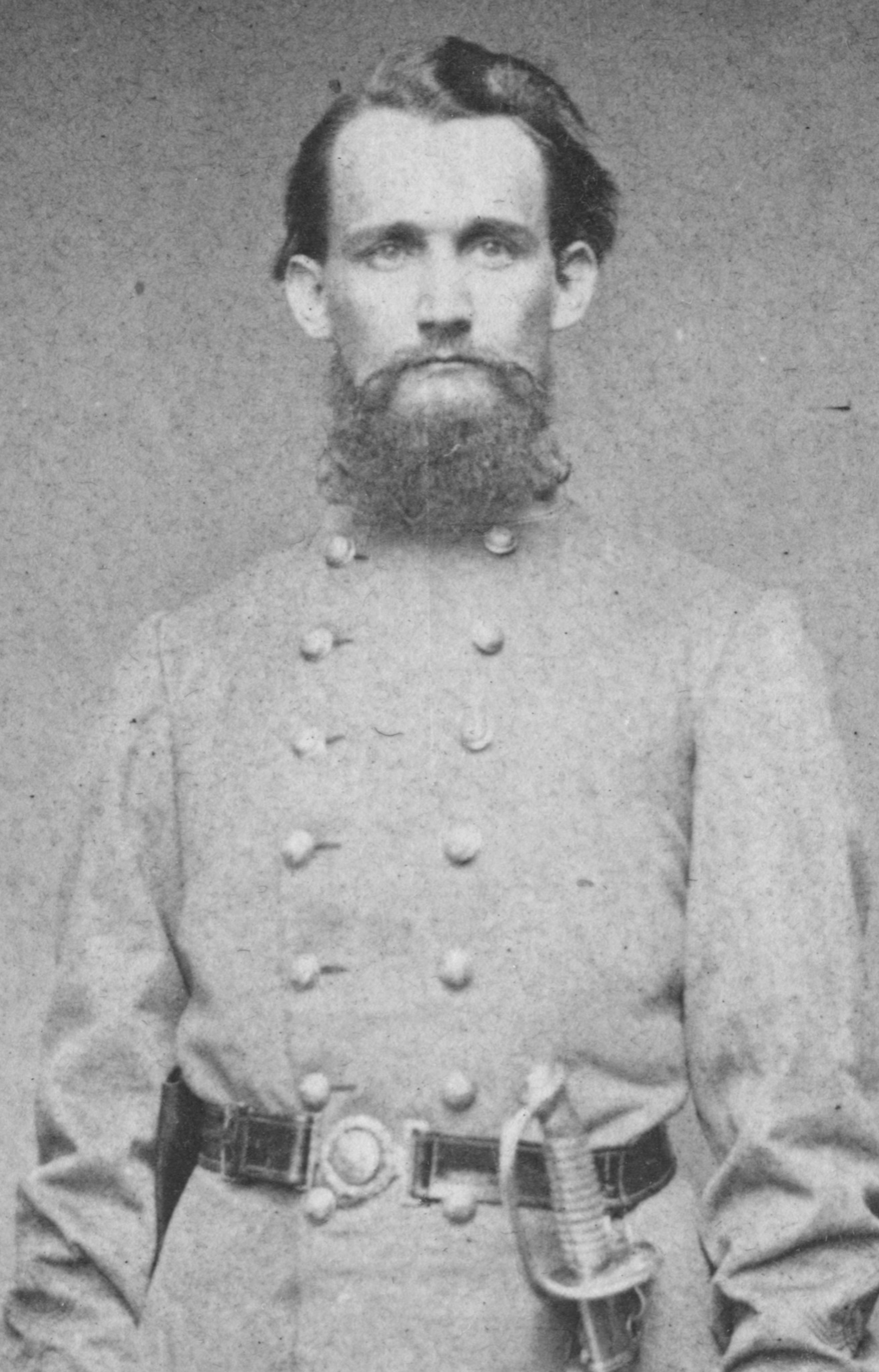 (University of South Carolina)
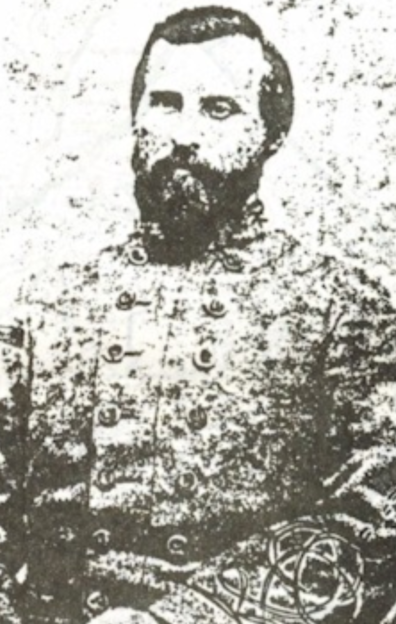 (Find-A-Grave)
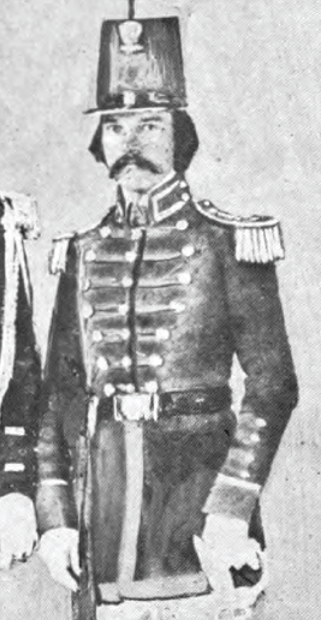 (War Record of the Edisto Rifles)